
Student Ambassador: Elira Martin
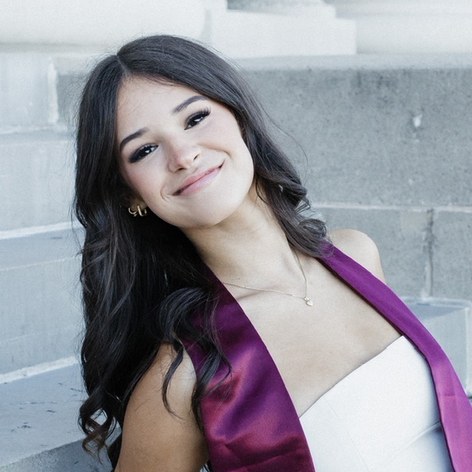
Elira Martin
Student Ambassador, Clinical Psychology PsyD
| Hometown | Texas |
| College | Texas A&M University |
| Program | Clinical Psychology PsyD |
| Class of | 2030 |
Hi! My name is Elira Martin, and I am a first-year doctoral student from Houston, Texas. Coming from across the country, I was nervous about the adjustment (and the weather), but I could not be happier with my decision to attend William James College (WJC). The range of opportunities available for research, volunteering, and clinical work in the Boston area has surpassed what I anticipated and has significantly enriched both my training and confidence. Boston truly feels like home, in large part due to the meaningful relationships I have built at WJC.
During my undergraduate studies, I majored in Molecular Neuroscience at Texas A&M University, with a primary focus on the science of the brain, rather than on psychological and environmental influences. I recognized this as a gap not only in my own training, but also within the broader field of neuroscience. William James College’s neuropsychology concentration, with its strong emphasis on cultural, developmental, and socioeconomic influences on neuropsychological disorders and assessment, was a key factor in my decision. While at Texas A&M, I was an active member of Alpha Chi Omega and served as my chapter’s Diversity Representative for the Texas A&M Panhellenic Association. Cultural competency has always been important to me, informed by my lived experience as the daughter of an immigrant and my awareness of the mistreatment of others in my community. Navigating spaces such as Panhellenic organizations, where I often felt different from my peers, deepened my appreciation for the value of cultural awareness and inclusion. In this role, I organized workshops on bias and cultural competency, coordinated events with multicultural student organizations, and implemented inclusive recruitment protocols and diversity training to foster environments in which all individuals felt welcomed, respected, and supported.
An important aspect of my identity is holding dual citizenship in Albania, my mother’s country of origin. Through frequent visits to Albania during its post-communist development, I witnessed the profound effects of mental health stigma and limited healthcare access on individuals and families. These experiences motivated me to volunteer with children in Albania, both in clinical and nonclinical settings. My volunteer work further solidified my passion for mental health advocacy and cultural-competency. This, combined with my work in neuropsychology labs as an undergraduate, aided in forming my clinical interest in the role of trauma and intergenerational trauma on neuropsychological disorders and neurological development.
One aspect that has made my experience at William James College especially impactful, and something I strongly recommend to prospective students, is getting involved and engaging with the school community. WJC faculty are incredibly supportive and understanding of the challenges that come with graduate training. I am currently a member of the Inclusivity Committee for Academic Councils Engaging Students (ACES), which serves as a liaison between students, faculty, and administration to enhance student experiences and advocate for student needs. In this role, I collaborate with peers and faculty to promote inclusivity, equity, and awareness across the department, while helping organize culturally affirming events that foster community and belonging. This has not only made me feel more connected to school, but has also allowed me to connect with faculty and peers in different years of the program.
For those considering WJC, I truly believe that the support of faculty and students makes this school what it is. Time management is a necessary skill in this program, but it is also a skill that is supported through the faculty as well as various student support/tutoring services on campus. Being a generalist program, I have gained invaluable insights from friends in various concentrations that challenge the way I think as a clinician. This program will give you every tool necessary to succeed in your field, as well as the room for growing your unique clinical interests and perspectives. Do not be afraid to not know everything!! I definitely felt “imposter syndrome” entering the program due to my lack of experience in writing and reading-heavy classes. Take advantage of the support around you, ask for help when needed, and remember that you are capable and deserving of success wherever you choose to study.