
The Power of Empathy: Why It’s an Essential Skill for Educators
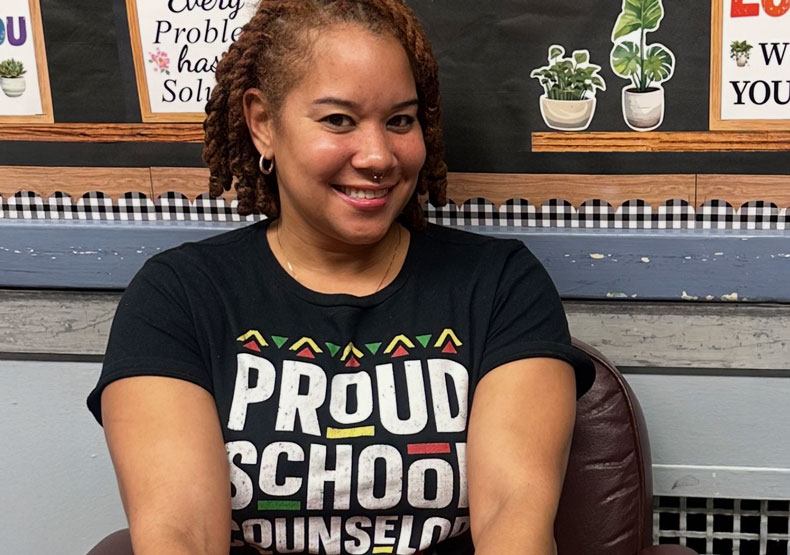
Student Spotlight: Angel Kendall Featured on the Black Mental Health Matters Podcast
Empathy is one of the most powerful tools educators can use to support students’ growth, emotional well‑being, and engagement. We’re excited to share that Angel Kendall, a doctoral student in the Leadership Psychology program at William James College, recently discussed this topic on the Black Mental Health Matters podcast with host Dr. Kerry‑Ann Williams. Their conversation explores the role of empathy in education, how to develop it, and why the practice begins by turning inward and extending empathy to yourself.
Angel is a school counselor and school leader in Pittsburgh, Pennsylvania, currently pursuing her doctoral studies in Organizational Leadership with a concentration in African and Caribbean Mental Health.
Empathy in an Educational Setting
Angel defines empathy as the ability to understand someone else’s emotions and truly put yourself in their shoes. She emphasizes that empathy doesn’t mean taking on another person’s emotions—it means trying to understand what a person is experiencing and how best to connect with them.
In education, this approach often begins with curiosity. When a student isn’t following expectations, pause and consider what might have happened earlier in the day or what they may be carrying with them. Instead of focusing solely on the behavior, ask: Why is this happening? What feelings or circumstances might be driving it?
Developing Empathy
While empathy comes more naturally to some people than others, it is a learnable skill that can be strengthened with practice. When used intentionally, empathy serves as an effective intervention that supports students’ emotional well-being, engagement , and a sense of belonging.
The Importance of Having Empathy for Yourself
Before applying empathy outwardly, Angel encourages starting with self-reflection.
Consider what empathy looks like in your own life. If you’re overwhelmed or struggling,
name the emotion without judgment. You can even model this outwardly by saying, “I’m
having a hard time and need a minute to breathe and regulate myself.” Demonstrating
this kind of self-awareness helps colleagues and students learn to do the same.
She also notes that educators often focus so intently on supporting others that they
forget to check in with themselves. Practicing self-empathy can help prevent burnout
and strengthen relationships at work and at home.
Balancing Empathy with Consistent Expectations
Approaching a student with empathy doesn’t mean avoiding consequences. Instead, it means considering what outcome you need and how to get there in a developmentally appropriate way. For example, if an 8‑year‑old is refusing to sit, allowing them to stand temporarily can reduce power struggles often leading them to sit on their own within minutes. As Angel notes: “Take the win when you can get the win.”
Final Thoughts
When asked if she had any final reflections, Angel shared: “My wish would be for people to really practice it for themselves. The work is hard… have empathy for yourself.”
Whether you’re an educator or simply interested in using empathy more intentionally, this 20‑minute podcast is a thoughtful introduction to becoming more curious and compassionate with yourself and others.
Thank you to Dr. Kerry-Ann Williams for hosting William James College students on the podcast!
Listen to Dr. Kerry-Ann Williams with Angel Kendall on the Black Mental Health Matters podcast here.
Topics/Tags
- Admissions Blog
- Faculty/Staff
- Alumni
- Students
- Partner Spotlight
- Expert Insights
- Press Release
- 50th Anniversary
Follow William James College
Media Contact
- Katie O'Hare
- Senior Director of Marketing and Communications
- katie_ohare@williamjames.edu
- 617-564-9389