
The Benefits of Positive Mental Health Literacy Among Youth—and How to Build It
For many youth, conversations surrounding mental health inevitably start when something goes wrong. But what if giving them the language, confidence, and skills to navigate challenges—from academic pressure to grief and dozens in between—before they spiral became the norm? Then we’d be talking about Positive Mental Health Literacy (PMHL), which stems from a simple premise: When individuals understand how mental health works, they are better equipped to protect it.
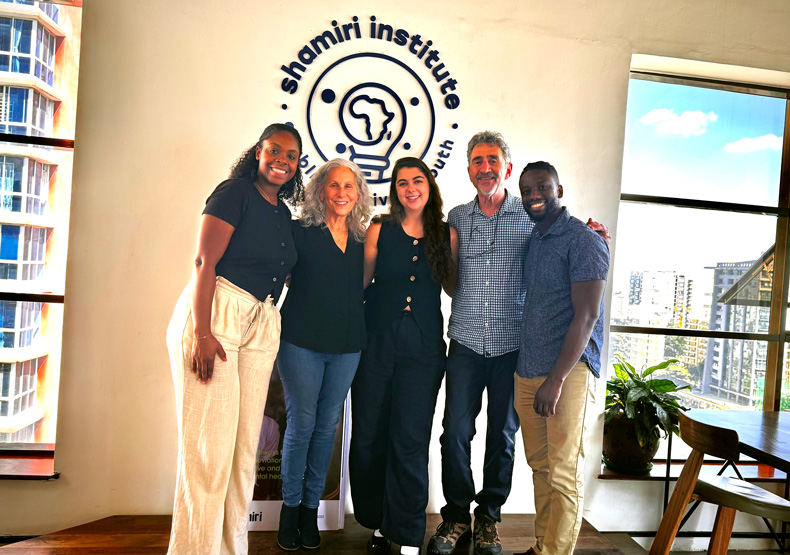
Enter Claire Fialkov, PhD, a consultant, psychologist, and professor who, in collaboration with David Haddad, EdD, recently co-developed a global, strength-based curriculum in Positive Mental Health Literacy (PMHL) for teachers and mental health professionals. This work, done in collaboration with Kenya’s Shamiri Institute, comes on the heels of growing global recognition that mental health awareness is fundamental to adolescents’ overall well-being and academic success. Here’s why.
What Is Positive Mental Health Literacy?
PMHL is the knowledge and skills people use to build, maintain, and strengthen their well-being in everyday life. The approach shifts the focus from fixing problems to actively growing what helps people to thrive. It includes:
- Understanding how to build and sustain well-being
- Developing practical coping strategies (like emotional regulation and problem-solving)
- Promoting strength-based, preventative approaches to mental health
- Empowering individuals to take action in daily life
“When people flourish, they don’t just get by, they build the resilience and coping skills needed to handle life’s inevitable ups and downs,” says Fialkov, underscoring that the absence of depression does not equate to thriving. While many traditional, deficit-focused approaches help people move from -4 to 0, Fialkov explains that positive mental health (PMH) is about going further—all the way to +4.
While applicable to individuals of all ages, it has been shown to help people grow into healthy, self-aware adults when introduced early.
Positive Mental Health Literacy on a Global Scale
Shifting how communities talk about mental health makes it easier to ask for and offer support. Since mental health interventions are most effective when they align with cultural values, cross-cultural understanding and PMHL are inherently linked.
“Mental health care does not exist in a vacuum; it lives and breathes within the cultural contexts of the people it aims to serve,” says Fialkov who, with Haddad, serves as director of the Kenya Immersion Program at William James College. A ten-day trip to the East African nation in December 2025 helped to reinforce what the pair already knew: Prevention and early intervention are key. When families, schools, and communities work together, stigma fades, and mental health thrives.
For far too long, many approaches to mental health have been shaped by narrow frameworks that fail to account for the diversity of human experience. From Fialkov’s perspective, a culturally relevant approach to mental health care is not just a “nice to have”—it is essential for effective, compassionate, and equitable support.
PMHL extends beyond one-on-one care to center mental health awareness; position clinicians and educators as advocates; and offer prevention-focused models of care. This documentary offers a glimpse of PMHL in action on the ground in Nairobi, Kenya.
5 Ways to Build Positive Mental Health Literacy
1. Teach a strength-based foundation
Focus on everyday skills that support well-being—from emotional awareness and coping strategies to relationship building and resilience—so mental health is understood to be actively built as opposed to addressed in crisis.
2. Normalize conversation and reduce stigma
Create regular, low-stakes opportunities to talk about mental health. When adults model openness and nonjudgmental language, it signals that seeking help is not only safe but also expected.
3. Recognize patterns and respond early
Train educators, counselors, and community health volunteers to notice shifts in behavior, mood, or engagement and to respond with curiosity and care. Early recognition paired with clear next steps makes intervention more timely and effective.
4. Create clear pathways to ask for support
Ensure young people know who to approach and how to ask for support. Reinforce connections with trusted adults—including teachers, counselors, and coaches—and make access to resources visible and straightforward.
5. Use culturally responsive approaches
Adapt language, examples, and supports so they reflect students’ identities and communities. When mental health education resonates culturally, it increases trust, relevance, and impact.
Why PMHL Matters More than Ever
At its core, culturally relevant mental health care is about respect. It recognizes that there is no single “right” way to experience or heal from emotional distress. By honoring local cultures, ways of being, and modes of expression, we can create systems of care that truly meet people where they are.
The future of mental health care depends on our ability to listen deeply, adapt thoughtfully, and embrace the richness of human diversity. When we do, we not only improve outcomes—we affirm dignity, strengthen communities, and make care more human.
Building Positive Mental Health Literacy in communities doesn’t simply change a young person’s entire life trajectory, it has the power to influence future generations.
About the Certificate
The Certificate in Positive Mental Health Literacy (offered through a collaboration between William James College and the Shamiri Institute) is a transformative one-year program designed to equip Kenyan educators with the knowledge and practical tools to foster positive mental health in diverse learning environments.
Topics/Tags
- Admissions Blog
- Faculty/Staff
- Alumni
- Students
- Partner Spotlight
- Expert Insights
- Press Release
- 50th Anniversary
Follow William James College
Media Contact
- Katie O'Hare
- Senior Director of Marketing and Communications
- katie_ohare@williamjames.edu
- 617-564-9389